
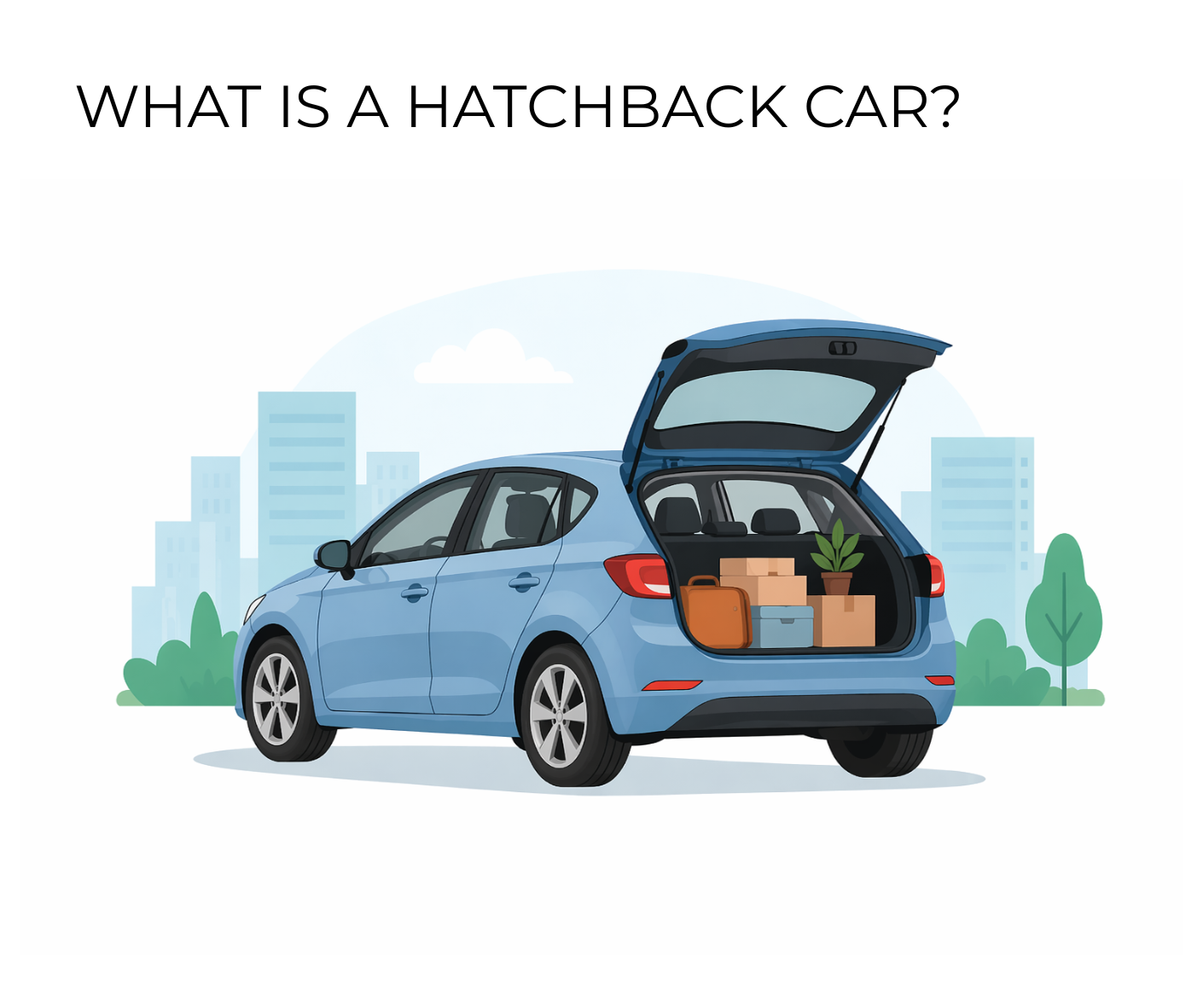
Якщо ви колись дивилися на оголошення про продаж авто й запитували себе: «Що саме таке хетчбек?» — ви не одні. Хетчбек — це тип кузова автомобіля, який поєднує пасажирський простір із задньою дверцятами для вантажу — тим самим «хетчем» — які відкриваються вгору. Коротко кажучи, хетчбек дає вам практичність без громіздкості більших автомобілів.
Розуміння того, що таке хетчбек, допомагає при виборі типу автомобіля, який підходить саме вашому образу життя. Він пропонує більшу гнучкість вантажного простору, ніж традиційний седан, без деяких компромісів позашляховиків (вища вартість, більша витрата пального, зайва громіздкість). Хетчбек часто потрапляє в ідеальну точку: зручність у місті, більше внутрішнього простору та розумна економічність.
І так, коли хтось запитує «Що таке хетчбек?», зазвичай мається на увазі саме все це: дизайн, особливості та те, що відрізняє хетчбеки від седанів, купе, позашляховиків — а не просто наявність задніх дверей. Тож розуміння хетчбека означає розгляд його форми, дверей, вантажного простору та того, як усе це впливає на враження від керування.
Визначення хетчбека
Ключові особливості хетчбека
Хетчбек найкраще розпізнається за кількома визначальними рисами, які формують як його дизайн, так і повсякденну практичність. Ззаду в нього є задні двері-хетч (або кришка багажника), які відкриваються вгору, безпосередньо з'єднуючи вантажний відділ із пасажирським салоном. На відміну від седана, тут немає окремого багажника, відрізаного від салону, що спрощує завантаження та розвантаження.
Всередині задні сидіння зазвичай можна складати, що дозволяє автомобілю легко адаптуватися, коли вам потрібно більше місця для багажу, продуктів або навіть тих незручних за формою предметів, які ніколи не влазять у седан. Зовні хетчбеки, як правило, зберігають компактні габарити: вони коротші й нижчі за більшість позашляховиків, що робить їх набагато зручнішими для маневрування на міських вулицях, паркування на тісних місцях та ефективного керування.
Така нижча посадка також покращує стійкість і економічність пального. Тож коли хтось запитує, що таке хетчбек, йдеться не лише про те, як він виглядає, — йдеться про тип кузова, розумне використання простору та про те, як усе це впливає на те, як ви керуєте машиною та живете з нею день у день.

Різниця між хетчбеком і седаном
На перший погляд хетчбек і седан можуть здаватися майже однаковими — обидва призначені для перевезення пасажирів і зазвичай мають чотири двері, хоча деякі хетчбеки мають лише дві. Справжні відмінності проявляються, якщо приглянутися уважніше.
У седана є окремий закритий багажник, тоді як хетчбек пропонує відкритий вантажний простір за задніми сидіннями, який можна розширити, склавши їх. Це робить хетчбеки більш гнучкими та ефективними з точки зору використання простору, дозволяючи перевозити довші або габаритніші предмети, які ніколи б не влізли в фіксований багажник седана. У повсякденному житті це означає, що хетчбек часто здається більш практичним і універсальним, особливо для водіїв, які регулярно перевозять візочки, спортивне спорядження або невеликі меблі.
Седани, однак, все ще можуть мати перевагу в плані стилю, комфорту або тихішої поїздки, залежно від моделі. Врешті-решт, вибір зводиться до компромісу між практичністю та особистими вподобаннями.
Хетчбек проти позашляховика (SUV)
Розуміння різниці між хетчбеком і позашляховиком — поширене питання. Обидва типи мають задні двері (доступ до вантажу), але вони відрізняються багатьма аспектами.
Розмір і практичність
Хетчбеки, як правило, менші за позашляховики, і ця різниця по-різному впливає на враження від керування. Їхній компактний розмір робить їх набагато зручнішими для паркування та комфортнішими при русі по вузьких вулицях або щільному міському трафіку. Всередині хетчбеки зазвичай пропонують два ряди сидінь і нижчу лінію даху, тому вони не можуть зрівнятися з додатковою висотою для пасажирів або іноді наявним третім рядом, який пропонують позашляховики.
Вантажний простір у хетчбеку практичний і гнучкий, особливо зі складними задніми сидіннями, але позашляховики все ж забезпечують більший загальний об'єм, особливо коли їхні сидіння складені або зняті. Врешті-решт, позашляховики — кращий вибір, якщо вам регулярно потрібно перевозити багато людей або спорядження на великі відстані. Хетчбеки ж чудово справляються з повсякденними ситуаціями — дрібними справами, поїздками на роботу та випадковим перевезенням вантажу — не обтяжуючи вас громіздкістю, витратою пального або вищими витратами, які супроводжують позашляховик.
Економічність пального та враження від керування
Оскільки хетчбеки легші, нижчі до землі та більш аеродинамічні, вони зазвичай перевершують багато позашляховиків за економічністю пального — особливо при русі в місті. Їхній нижчий центр тяжіння також робить їх стабільнішими та маневренішими, зменшуючи крен кузова на поворотах і забезпечуючи водіям спортивніші, приємніші враження на звивистих дорогах.
Крім того, хетчбеки часто мають нижчі витрати на обслуговування завдяки простішим трансмісіям, легшим системам підвіски та, у багатьох випадках, дешевшому страхуванню та ремонту.
Якщо не йдеться про орієнтований на продуктивність «гарячий хетч», вони зазвичай залишаються одночасно доступними та практичними. Тож якщо економічність, керованість і задоволення від керування високо у вашому списку пріоритетів, це саме ті сфери, у яких хетчбеки явно виділяються.
Який варіант підходить для різних способів життя
Який вибір підходить вам найкраще? Це залежить від того, як ви використовуєте свій автомобіль:
- Мешканці міст і ті, хто їздить на роботу: хетчбеки часто ідеальні. Невеликий розмір допомагає з паркуванням, трафіком і нижчими витратами.
- Сім'ї або люди з частою потребою у вантажі: якщо ви регулярно перевозите дітей, багаж, спорядження або здійснюєте далекі поїздки, позашляховик може забезпечити більше комфорту та простору.
- Баланс способу життя: деякі люди хочуть автомобіль, який іноді працює як позашляховик, але поводиться як звичайне авто. Хетчбеки з гібридними або спортивними комплектаціями можуть подолати цей розрив.
- Бюджет і екологічні міркування: якщо вартість пального, викиди або ціна покупки викликають занепокоєння, хетчбек часто є більш економічним.
Переваги керування хетчбеком
Одна з головних причин, чому водії обирають хетчбек, — це його універсальність. Завдяки задній дверцятам і складним сидінням автомобіль може легко переключатися між перевезенням пасажирів і перевезенням вантажу. У звичайний день він чудово працює як автомобіль для поїздок на роботу, але коли вам потрібно перевезти громіздкі або незвичної форми предмети, складання сидінь дає вам додатковий простір без зайвих хвилювань.
Доступність — ще одна очевидна перевага. Хетчбеки зазвичай мають нижчу ціну покупки, ніж більші автомобілі, споживають менше пального і часто дешевші в обслуговуванні та страхуванні. З часом ця невелика економія складається в помітну різницю у витратах на володіння.
Далі йде те, як хетчбек вписується у повсякденне життя. Його простіше паркувати, простіше маневрувати в трафіку, і він набагато менш напружений у тісних міських просторах. Для багатьох водіїв ці зручності — не просто приємні бонуси, а саме те, що робить автомобіль приємнішим щодня. І оскільки хетчбеки часто добре зберігають свою вартість, особливо моделі, відомі своєю надійністю, вони можуть бути розумною довгостроковою інвестицією. Їхній нижчий центр тяжіння також забезпечує плавнішу, стабільнішу поїздку, а проста механіка допомагає знизити ймовірність дорогих несподіванок у майбутньому.
Популярні моделі хетчбеків
Щоб зробити концепцію хетчбека більш конкретною, ось декілька відомих моделей, які ілюструють різні кінці спектра хетчбеків:
- Volkswagen Golf GTI — класичний «гарячий хетч», що поєднує продуктивність із практичністю. Вантажний простір, спортивне відчуття, преміальний салон. (Див. список найкращих нових хетчбеків від Car and Driver).
- Honda Civic Hatchback — моделі новіших поколінь поєднують стиль, гібридні опції, добру надійність і придатний для використання задній простір.
- Toyota Prius Hatchback — ця модель більше орієнтована на ефективність, з гібридними/електричними технологіями, нижчими викидами та гідною практичністю.
- Škoda Scala — сімейний хетчбек меншого розміру, що пропонує практичність, просторий для свого класу салон, ефективні двигуни.
Ці приклади дають уявлення про те, як виглядає хетчбек на практиці: різні розміри, рівні продуктивності, типи пального, але всі з тим самим «хетчбековим» ДНК.
![]()

Чи підходить вам хетчбек?
Перш ніж вирішити, запитайте себе:
- Як часто вам потрібно перевозити великий вантаж або багато пасажирів? Якщо часто — можливо, позашляховик або кросовер має більше сенсу. Якщо ні — хетчбека може бути достатньо.
- Ви їздите в тісних міських районах чи здійснюєте далекі поїздки по трасі? Маневреність і економічність пального хетчбека розкриваються в місті та змішаному керуванні; на трасах або поганих дорогах позашляховики можуть відчуватися комфортнішими.
- Які ваші бюджетні обмеження — як первісна покупка, так і з часом (пальне, страхування, обслуговування)? Хетчбеки часто коштують менше в кожній із цих сфер.
- Чи важливе для вас задоволення від керування? Якщо ви цінуєте керованість, нижчу посадку, спортивне відчуття, багато хетчбеків це забезпечують. Якщо важливі великий дорожній просвіт або позашляхові можливості, позашляховик може бути кращим вибором.
Якщо ваші пріоритети — компактний розмір, нижчі експлуатаційні витрати та гнучкість, ймовірно, хетчбек вам добре підійде. Але якщо важливіші міцність, простір для багатьох людей і практичність у складних умовах, можливо, варто обрати позашляховик.
Підсумкові думки
Підсумовуючи, хетчбек — це не просто задні двері. Це філософія дизайну — максимізація практичності та універсальності в компактному форматі. Хетчбеки пропонують цінність, маневреність і гнучкість, часто за нижчою ціною, водночас зберігаючи достатньо місця для багатьох водіїв.
Порівняння того, що таке хетчбек проти позашляховика, показує, що хетчбеки жертвують частиною простору й дорожнього просвіту заради ефективності та маневреності. Якщо ваше повсякденне життя пов'язане з тісними просторами, частими поїздками або турботою про витрати, хетчбек може бути ідеальним вибором. З іншого боку, позашляховики блищать там, де важливі простір, міцність та огляд з висоти.
Чи підходить вам хетчбек, залежить від ваших потреб: вантаж проти пасажирів, місто проти трасі, вартість проти практичності. Але якщо вам потрібен автомобіль розумний, гнучкий і практичний — хетчбек часто стає дуже переконливим варіантом.


